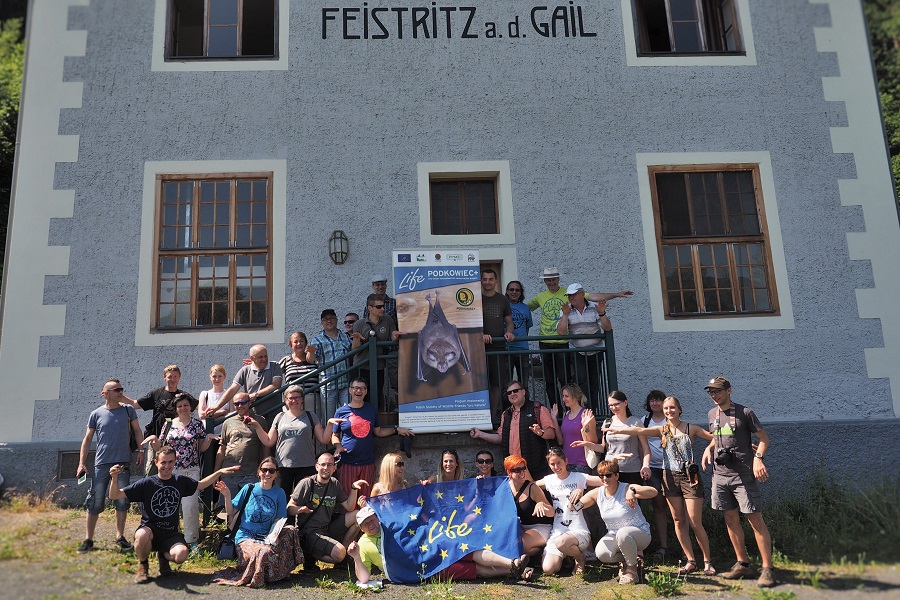
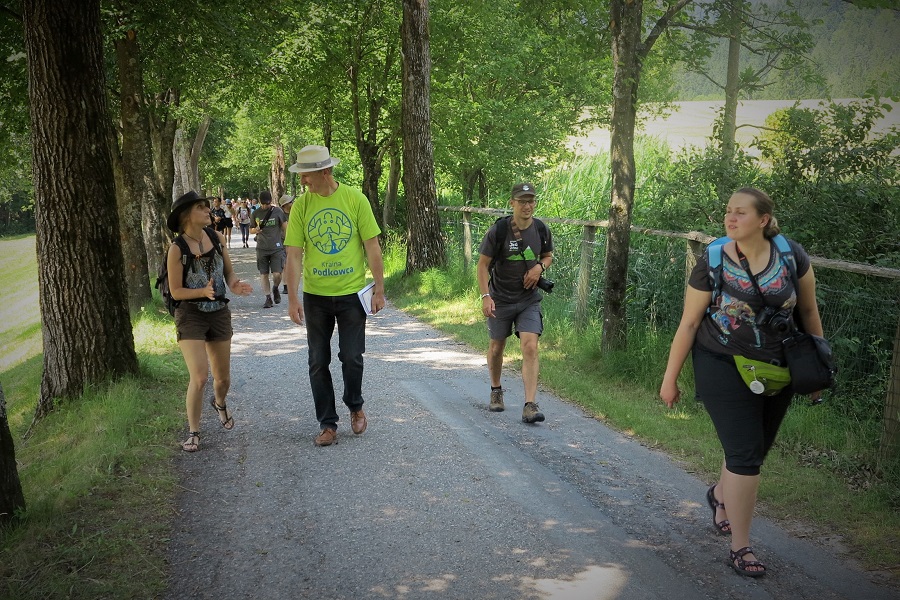
The first stop was Feistritz/Gail, small settlement near Villach, known to the Winter sport fans for its ski-jumping facilities.
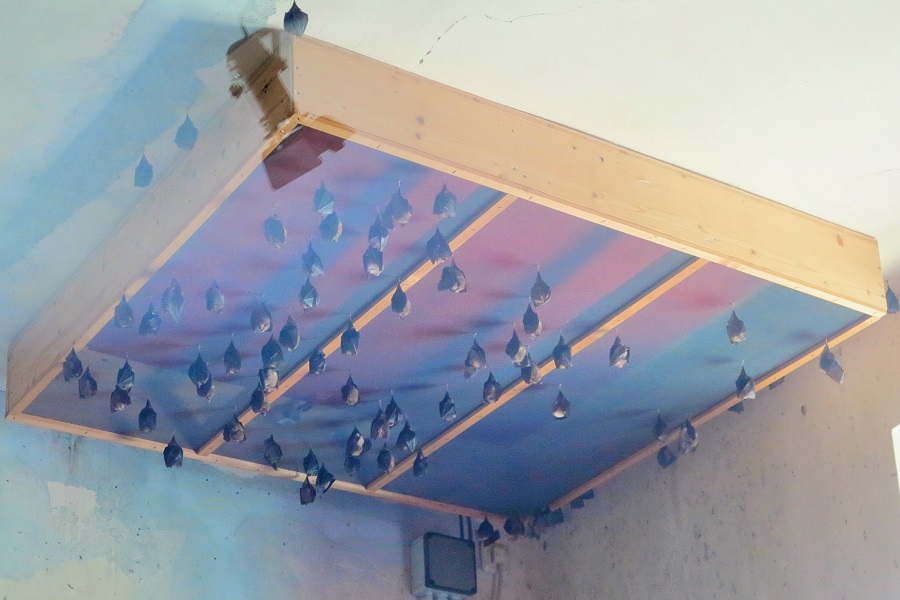
In a small, closed down water-run power station, there is a lesser horseshoe Summer roost of 100+ specimens. About 10 years ago, an Austrian conservation organisation Arge NATURSCHUTZ took the bats under their care. Our hosts were biologists Klaus Krainer (Chaiman) and Martin Jaindl.
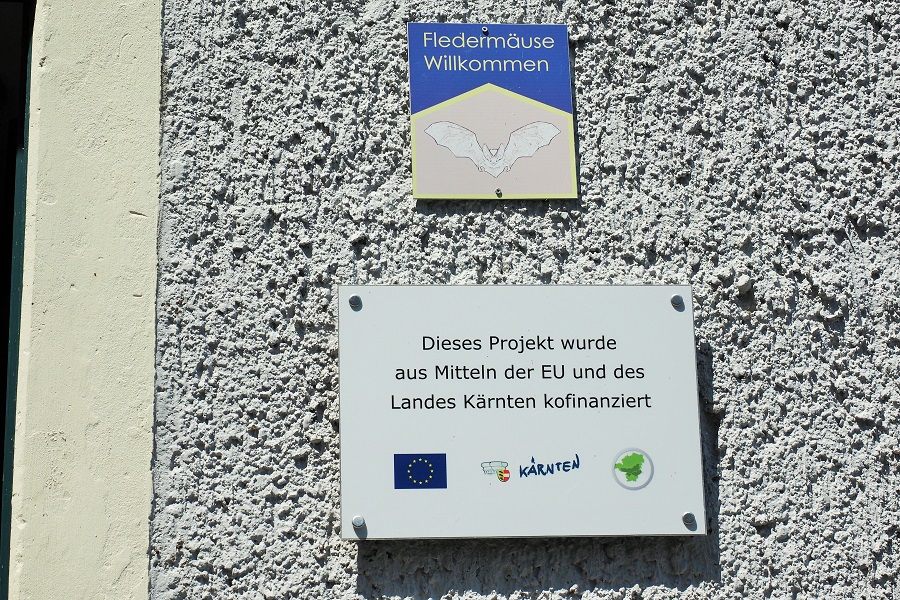
Thank to the EU and regional funds, the building has been renovated and adopted as a bat observatory. The opening of the site, called from then on Fledermaushaus (house of the bats), took place in 2008.
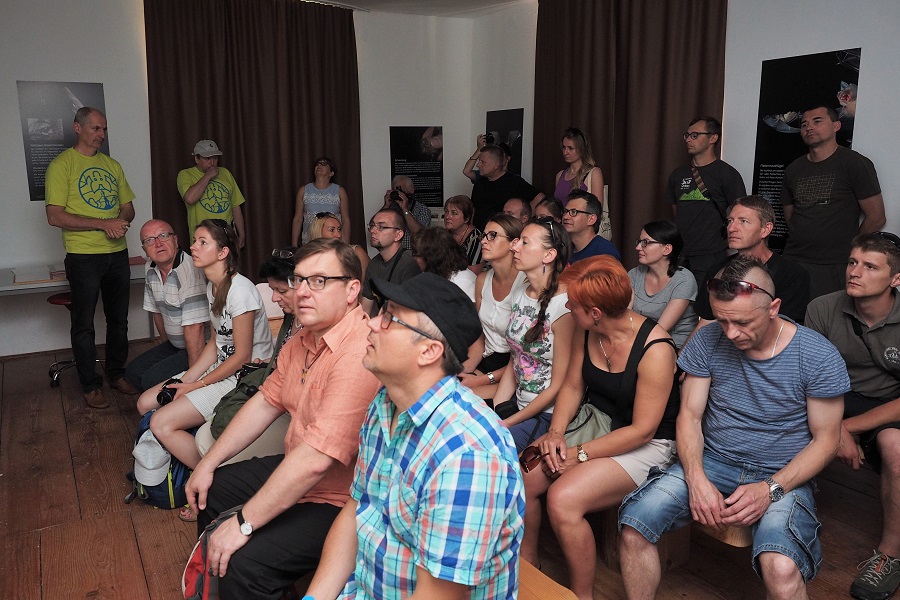
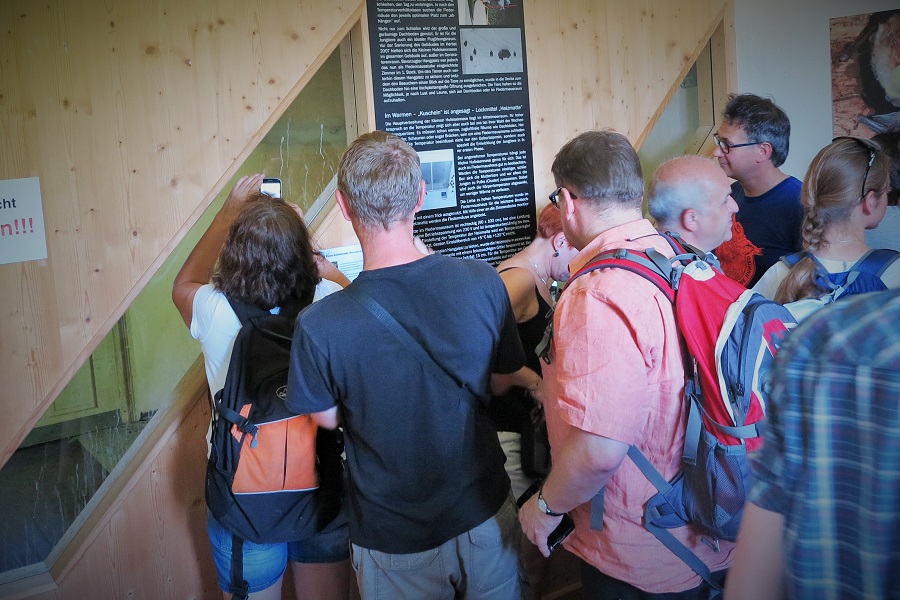
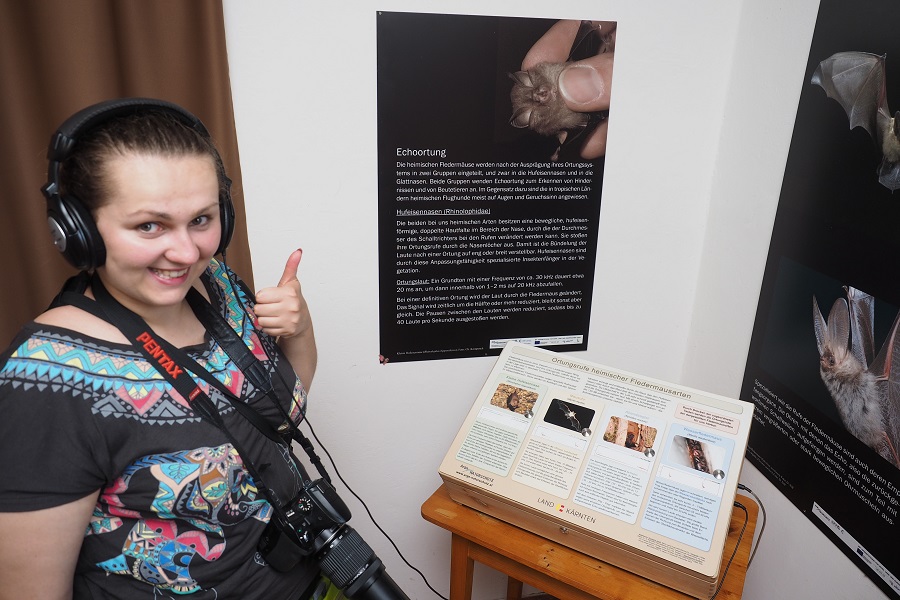
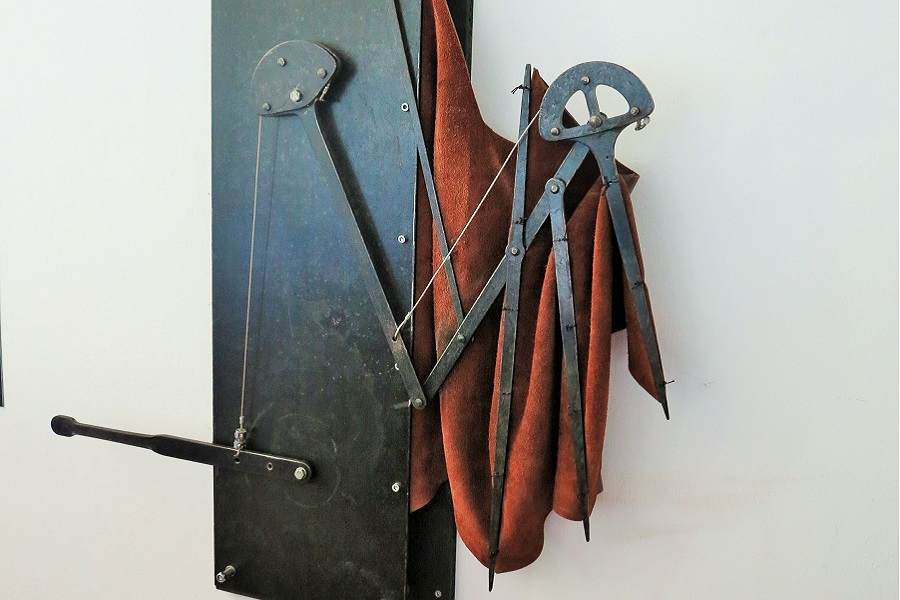
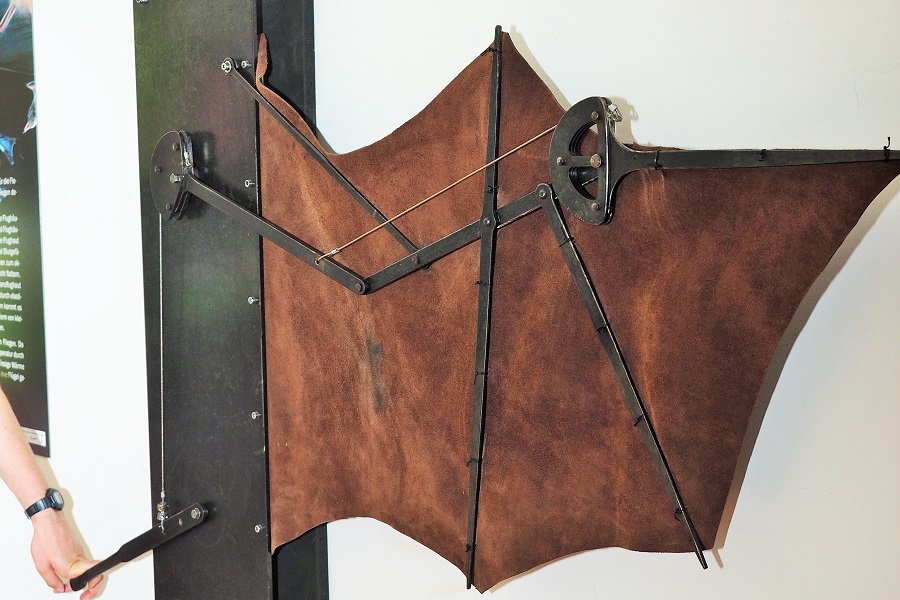
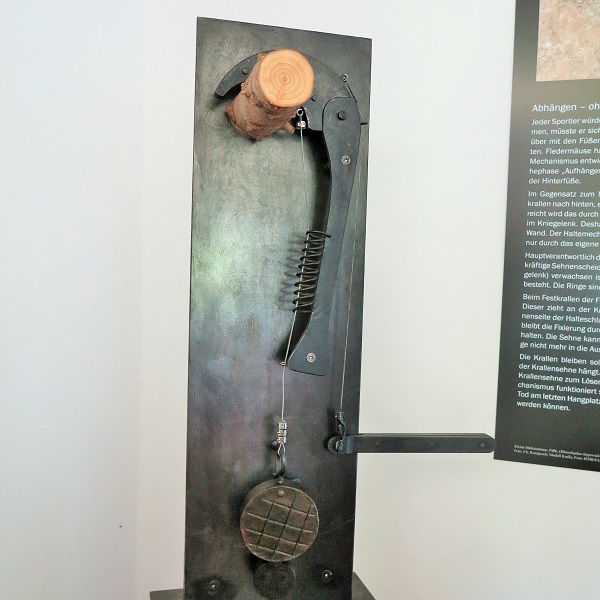
The education in the observatory is not restricted to simply watching bats through the glass, certainly main attraction of the house. In several rooms, before the visitors see the bats, they learn about bat biology from lectures, live and recorded videos, educational games and exhibitions. The models for the exhibition were made by local technical school and are very informative and creative. The visitors may listen to the ultrasound recordings, played in time expansion or heterodyne modes, compare the heartbeat of hibernating or flying bat with that of the human heart. Etc. etc. The exhibition has been also displayed in the regional museum in Klagenfurt, Carintia’s capital.
The conditions that rae not fully convenient for the bats (some acces of the daylight!), are compensated by the heating mat, which encourages the bats to gather in the place well visible for visitors. The bats may be watched in the Internet (clicking Live-Bild shows the picture updated every few seconds).
The naturalists from the Arge Naturschutz cooperate with the neighbouring Natura 2000 sites administration, the Nature Park of the Dobratsch Mts, and The Gail River Valley, where there are more lesser horseshoe bat colonies in each of the watermill power stations, and the surrounding forests and rocks provide good foraging habitats to the horseshoe bats.
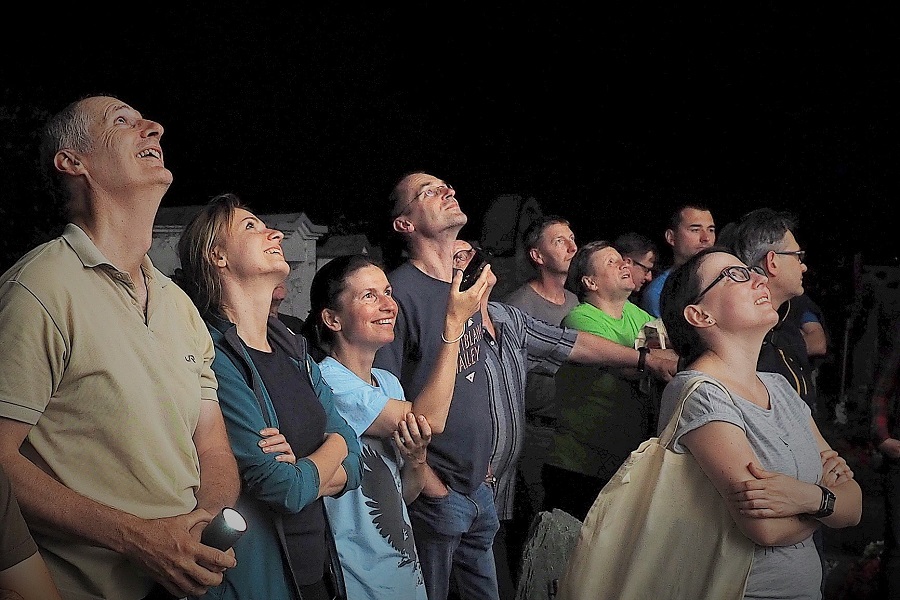
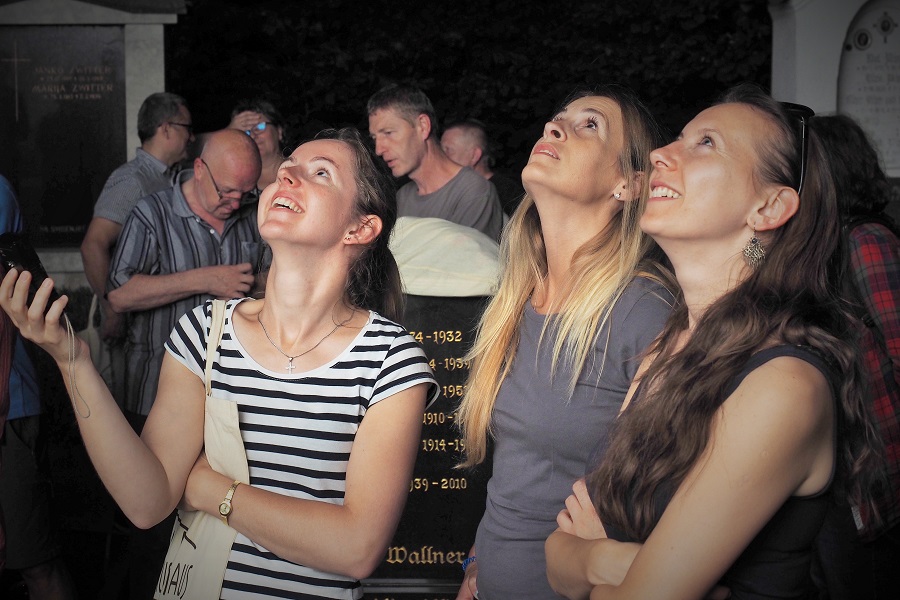
The Polish group had also opportunity to participate in another bat education event, watching the several hundred Greater mouse-eared bats, flying out in the evening from the Feistritz local church. They visited Schloss Wasserleonburg castle, which hosted a Summer roost of the lesser horseshoe bats in the heating room, however after it has been closed down, the cellar become a Winter roost for a small group of bats.