To assure the flying mammals have appropriate living conditions, the LIFE Podkowiec+ project envisaged filling gaps in vegetation by planting trees and shrubs. Whether the gaps result from natural cause or were inflicted by human cutting, the result for the bats is same – they may loose their otherwise suitable living space.
The planting of a tree for bats is a final stage of a complicated process, starting with the analysis of the local conditions by specialists from the project team. Basing on field research and screening of maps and aerial photos, the team locates the feeding grounds and the commuting routes between the day shelter and the “canteen”. Further planning takes into account land ownership, potential human needs, and legal requirements. This stage involves consultation with local people and obtaining permits, whenever required. The owners of the greened spaces declare effects will be effective over three decades.
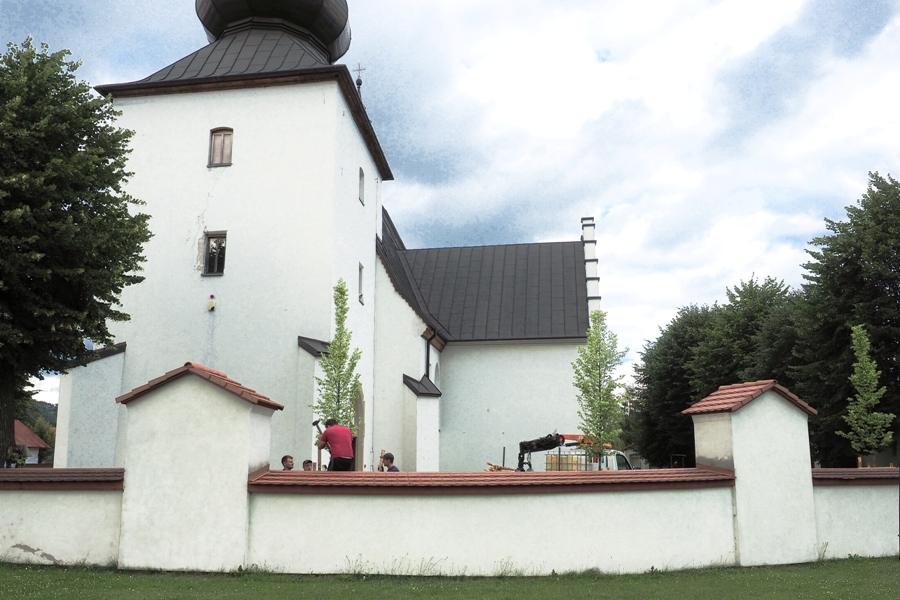
The pictures show planting of trees in Jaworki and Ujanowice. In both of these locations, roofs over the bat shelters had been renovated as well. The bats are not fussy about tree species, so the small-leaved lime was chosen to provide honey and herbal tea used as medical remedy for lighter infections.