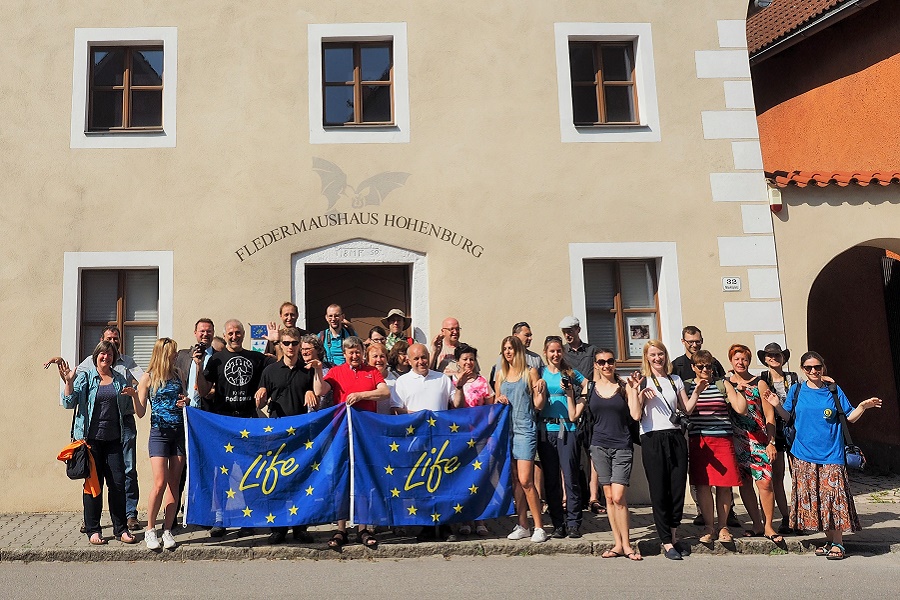
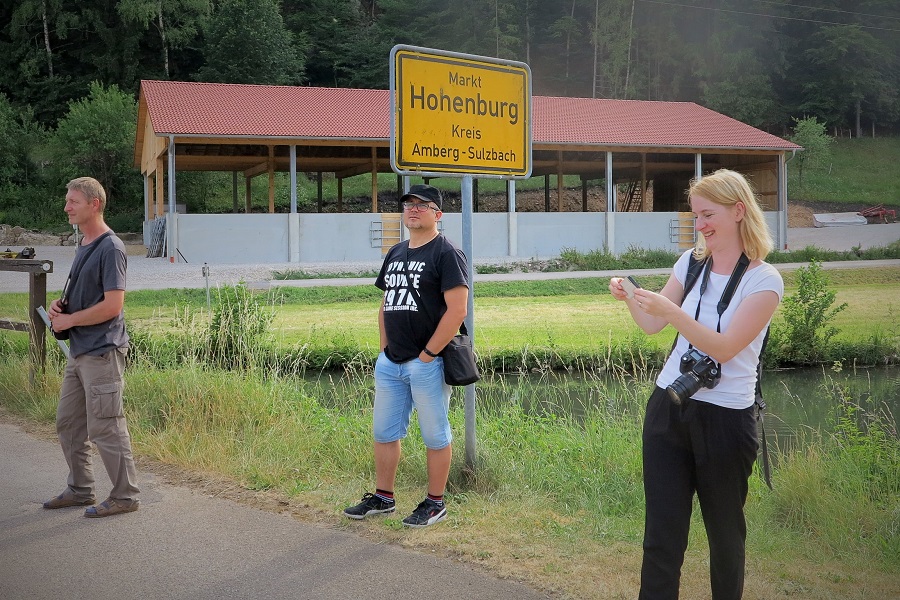
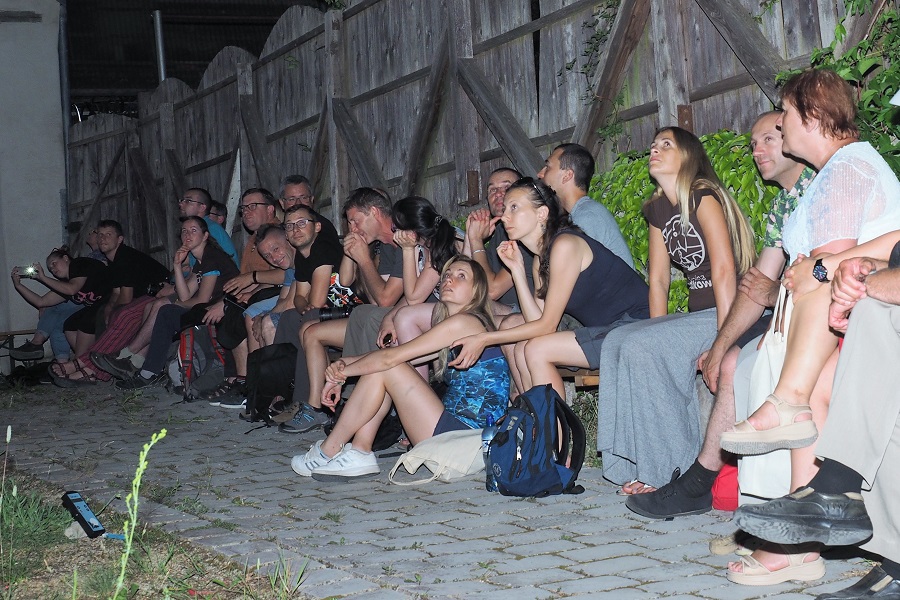
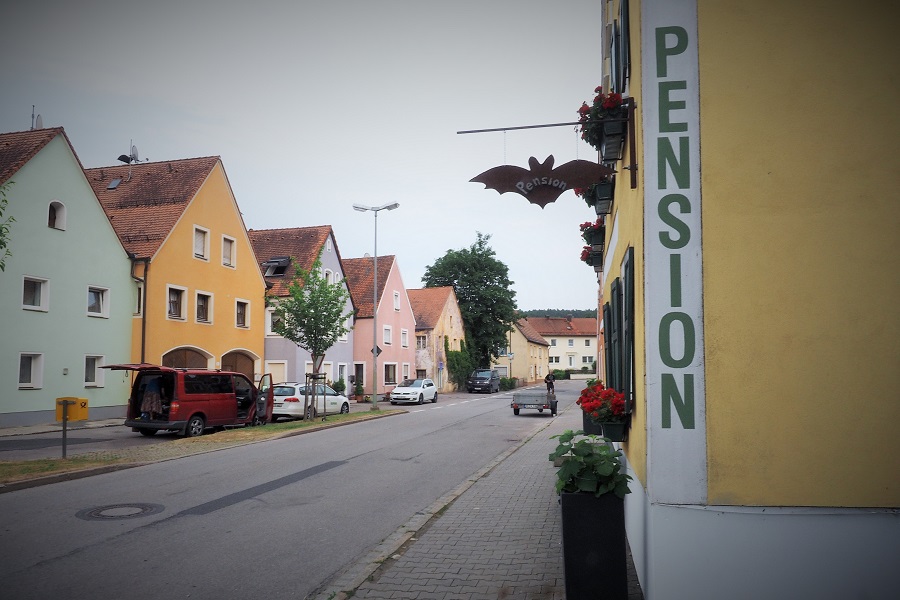
The final stop of the study tour was in Hohenburg, the village aside, near large American troops training grounds. This location did good to the last colony of the Greater horseshoe bat in whole Germany.
In 1992, when the colony was discovered, it was only slightly above 20 specimen, while nowadays, the numbers reach 200 females. The living standard of the Hohenburg horseshoes increases significantly, thanks to the EU-LIFE funded project “Grosse Hufeisennase in der Oberpfalz – Optimierung der Habitate und der offentlichen Wahrnehmung” (in short: Große Hufeisennase Bayern) project No: LIFE11 NAT_DE_000346, led by the LBV – Bavarian League for the protection of Birds, and its motor is Rudolf Leitl, holding both passion and expertise.
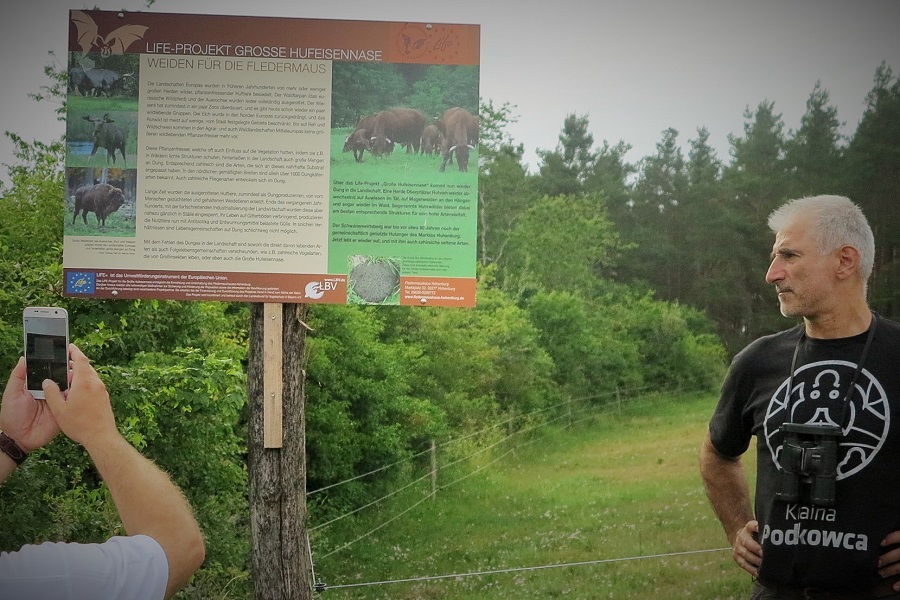
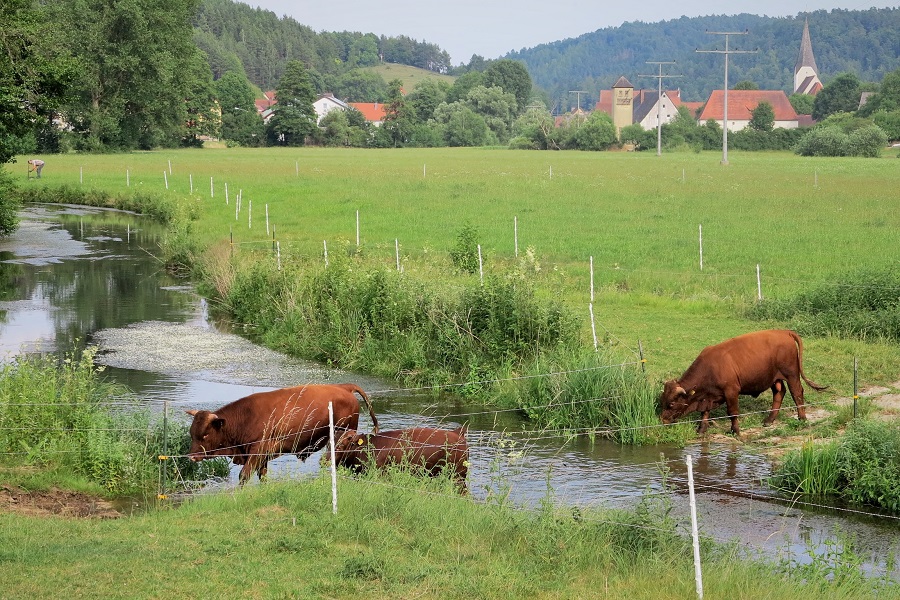
The roost, called Fledermaushaus, is located in the old farm buildings, bought for the bats, after the colony has been discovered and adopted for the bat shelter and educational and research centre. The LIFE project is focused on but not restricted to the roost itself. Several optional roosts for temporary use, moving or , hopefully, spread of the colony have been adopted in the vicinity. Even the Hall has some space for the bats. To assure the proper food supply for the bats, several cows of the strong, mountain breed (Oberpfalzer Rotvieh) were bought. The cows are eaten by people, but the bats can hunt for the insects, feeding on the rotten apples or cow excrements.
The cow shed is very simple, barely a roof, as the breed resists the frost very well.
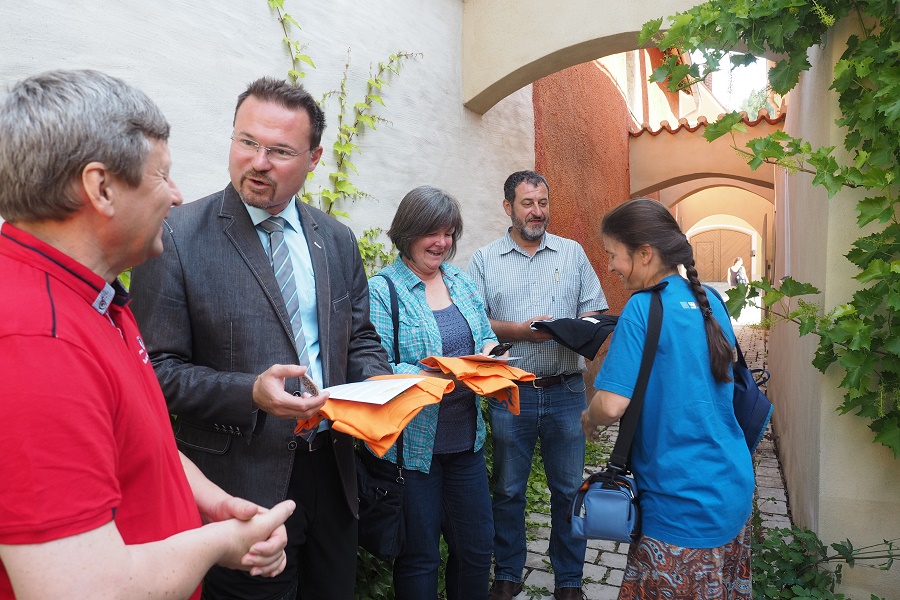
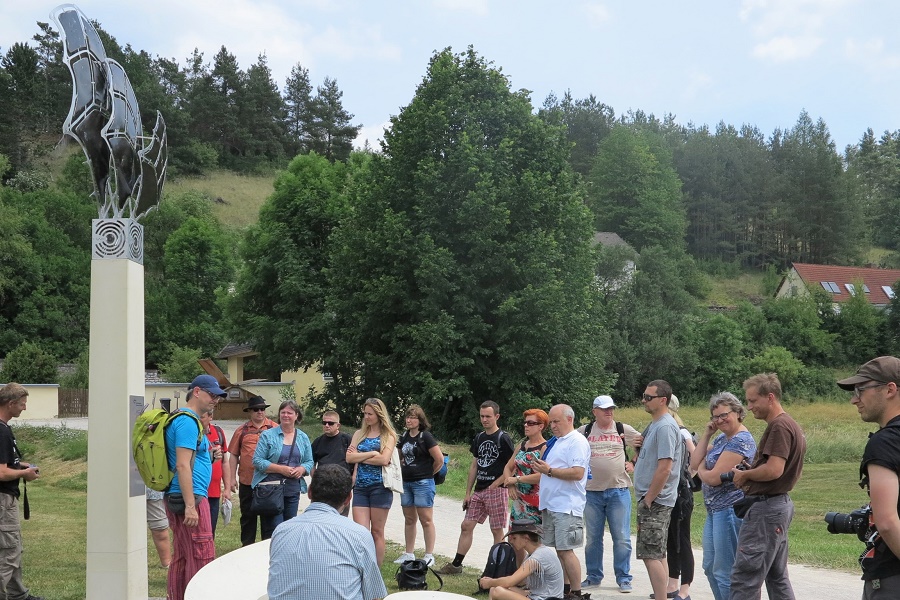
As the Mayor of Hohenburg, and some partner organisation working in the region stated, the bats are the main characteristic of this otherwise sleepy, typical Bavarian village. Even the ruins of the castle, hanging over the village loose in the competition with the little inhabitants of the house attic at Marktplatz 32. That’s why a small educational path has been built behind the Council Hall, dedicated to the bats.
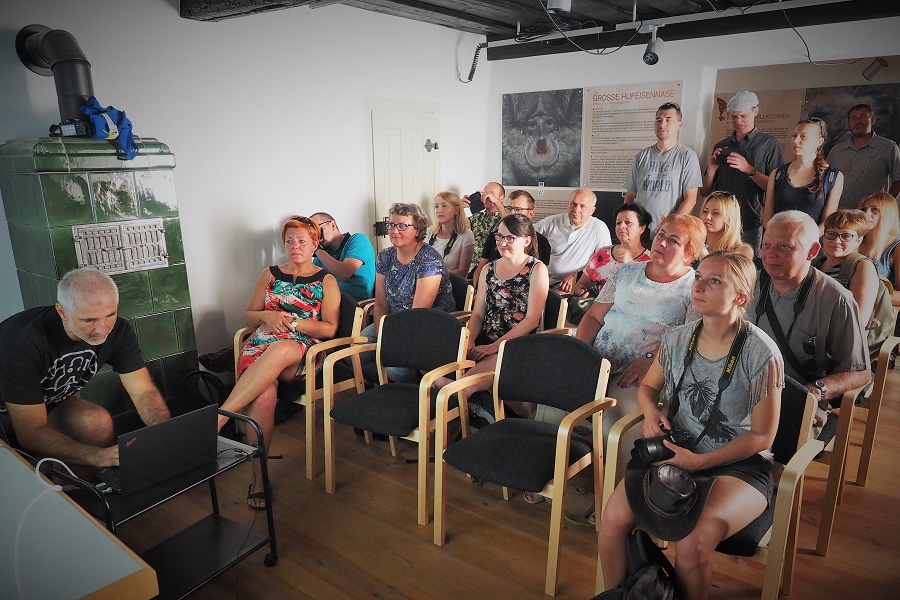
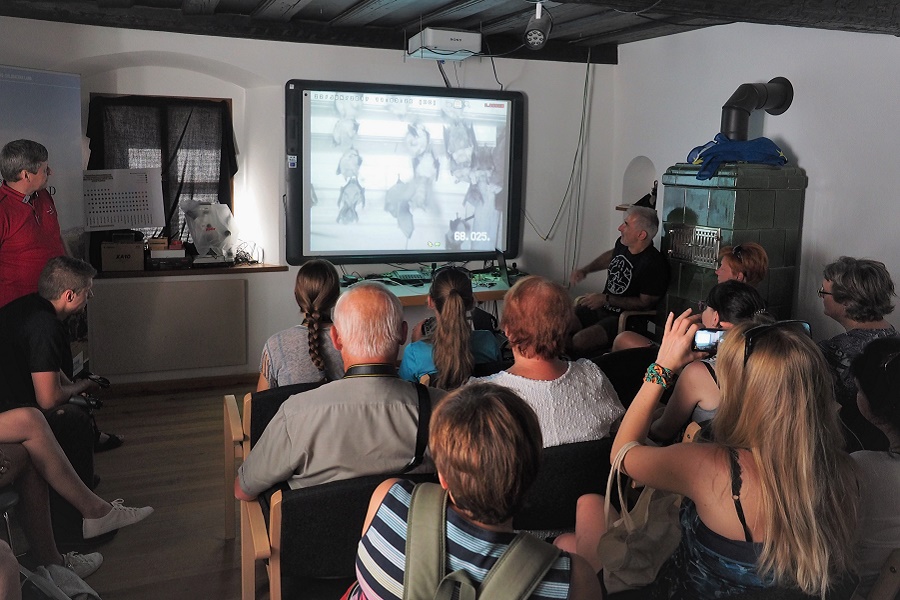
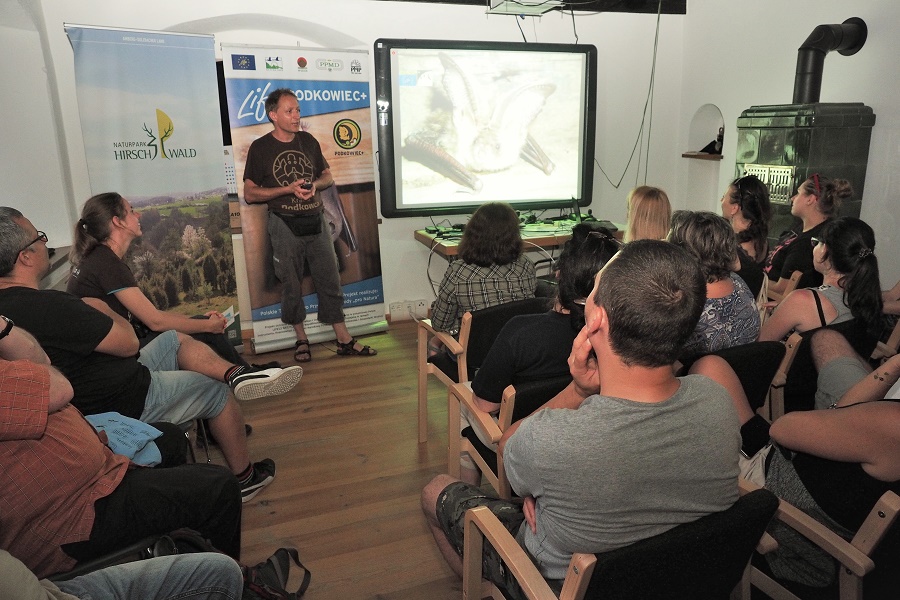
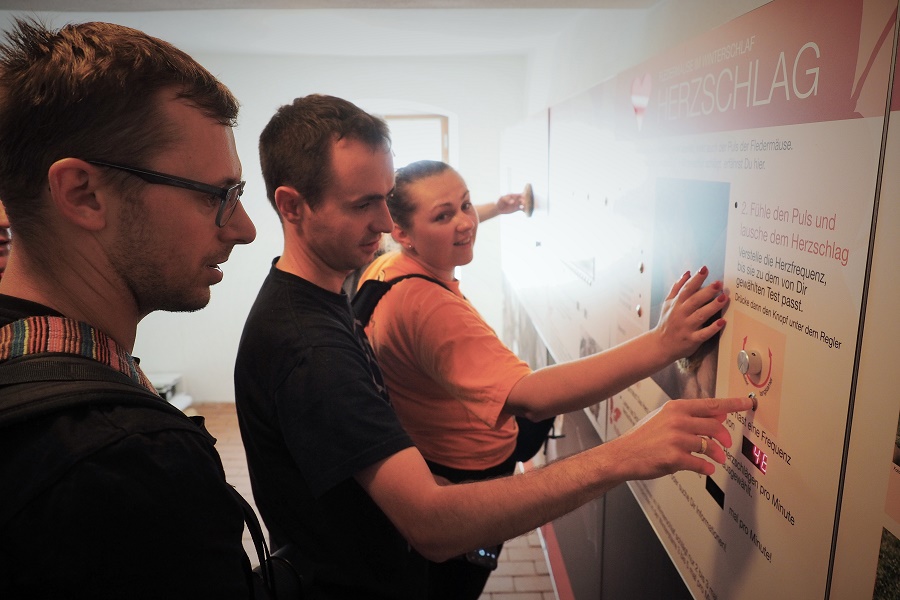
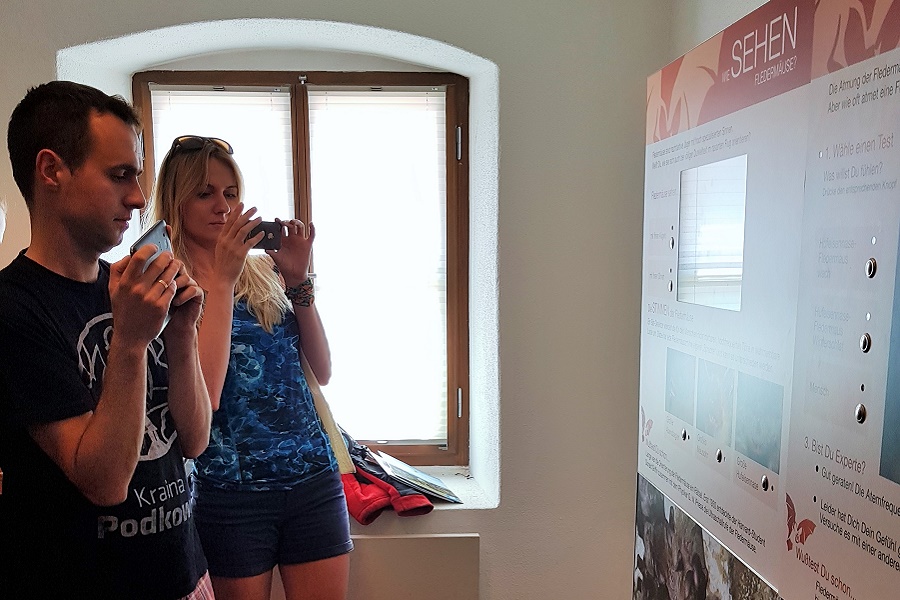
Thanks to the interactive exhibition and high quality cameras, the visitors (up to 2000 per year – with no advertisement efforts), may learn about the live of the greater horseshoes. It may be also watched from far away, via the Internet broadcast from one of the cameras set up in the roost.