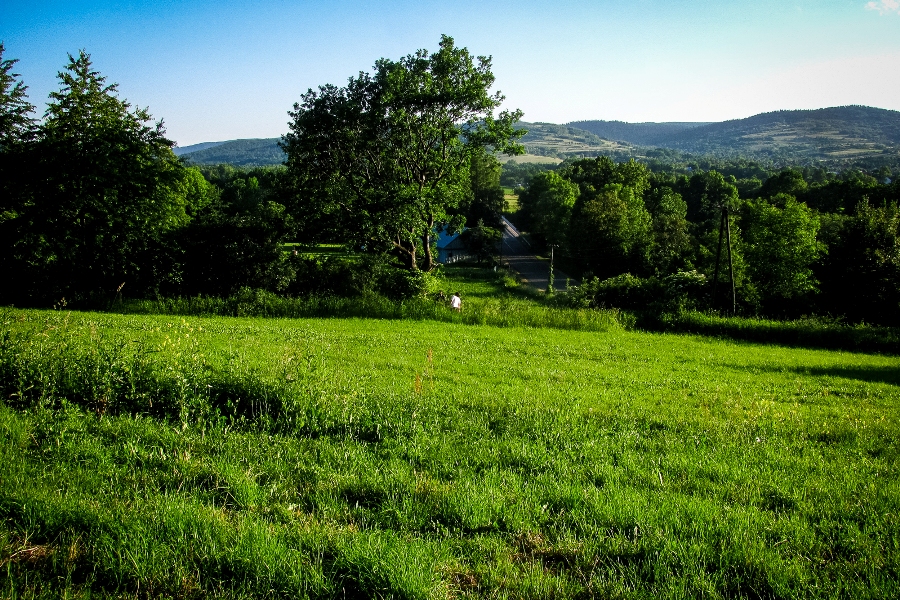
Some bat species, and Lesser horseshoe bat in particular, move only in the vicinity of vegetation or distinctive structures and avoid flying into open space. That’s why for the endurance of bat colony a proper state of the roost itself is not sufficient, neither is the close distance to the winter site. Suitable habitats around the maternity roost is no less important.
Even small gap in the vegetation row may be impassable for the horseshoes trying to get to their feeding grounds in the forest. Researchers equipped with the ultrasonic detectors, supported by some automatic recorders, register intensity of utilisation of chosen points around the colony. The data will help to sustain the flyways. Detailed maps showing the gaps in the hedgerows, checked against the flyway routes indicate where planting new trees to fill the gaps may lead to a shortcut or alternative, safer routes e.g. avoiding roads with high traffic.
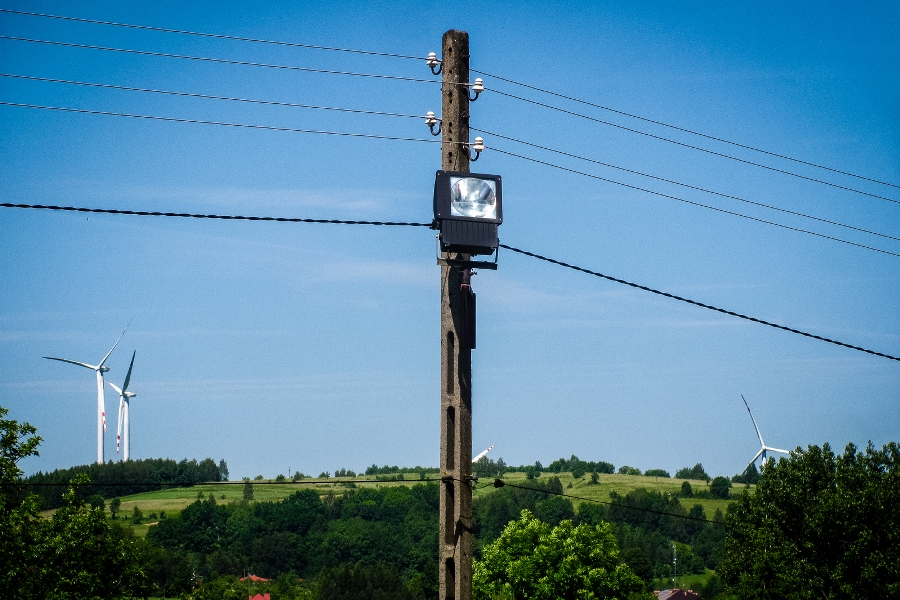
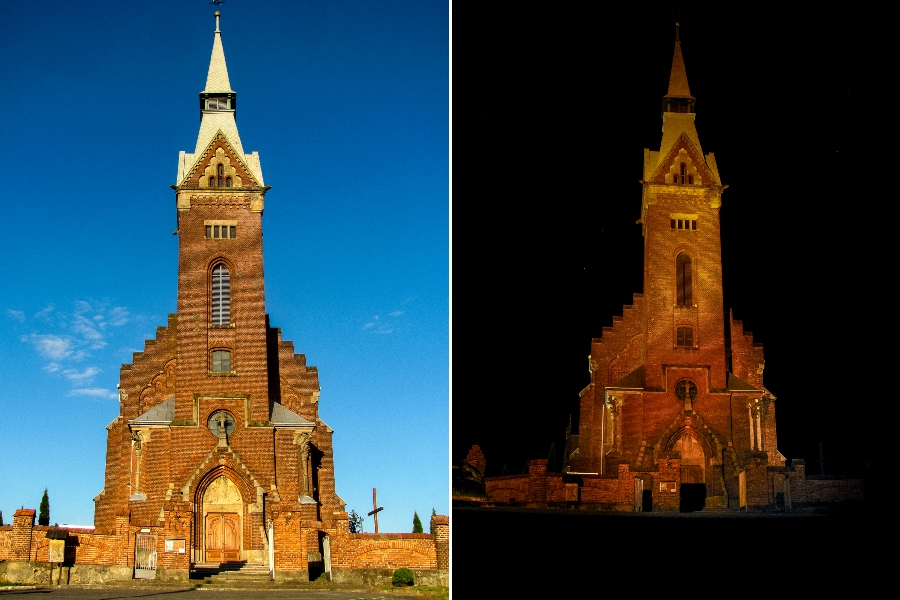
The lesser horseshoe bat is a strictly night species. These bats do not leave their roosts before completely dark outside. Therefore the analysis of the habitats around the roosts considers illumination of the buildings and roads. Simple change of the direction of a street lamp towards the parking place rather than the nearby hedge may mean a big change in bat’s life. Similarly, when illuminating the building with the bat roost, it may be enough to leave dark the wall, where bats have their fly in and out access.