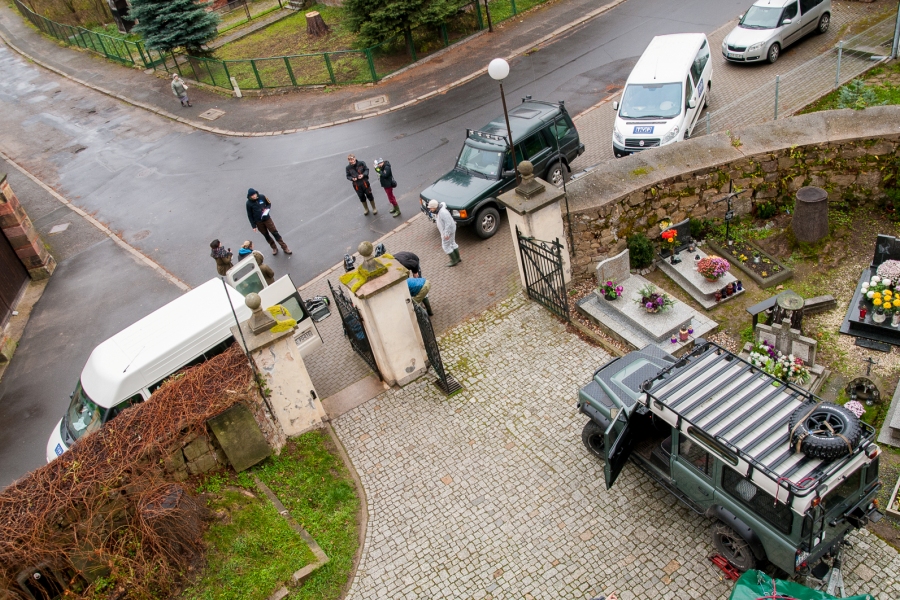
The attic of the St. Nicolas church is the roost of a largest known maternity colony of the species in Poland. The number of individuals is estimated to be 2000. For almost 15 years the site has been of special concern to the Polish Society of Nature Friends „pro Natura”.
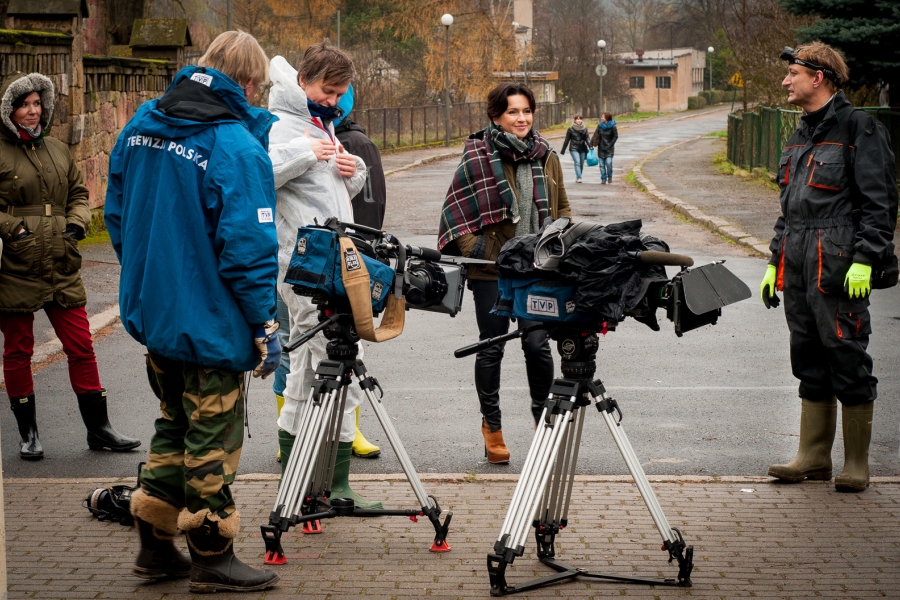
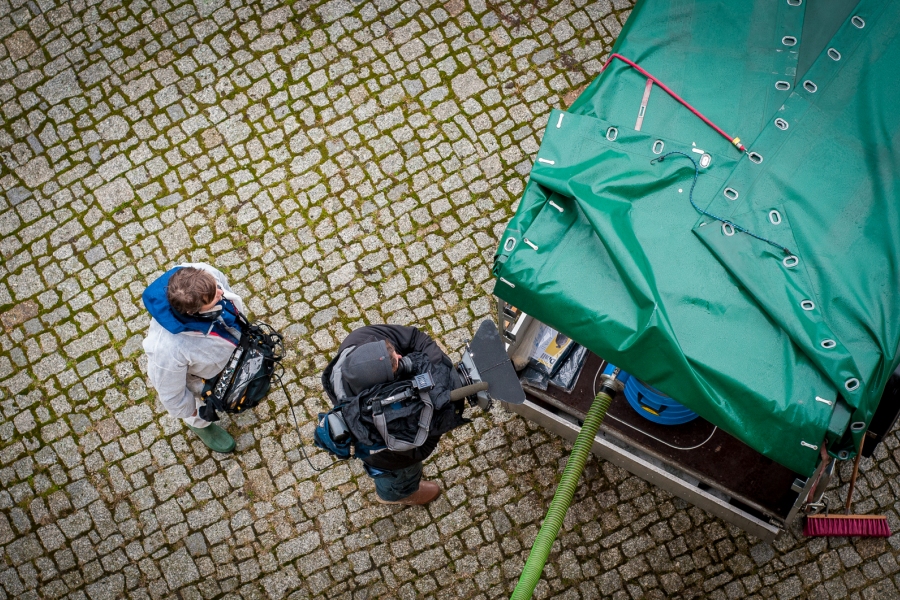
Here on the 13th of November 2013 the national TV broadcaster Telwizja Polska, on the order of the Coordination Center for Environmental Projects, recorded one episode of a series made as part of the project “Biodiversity protection in forest area, including Nature 2000 areas – promotion of best practice”. In this episode, dedicated to bat conservation, Rafał Szkudlarek introduced the TV presenters Ms Beata Tadla and Mr Grzegorz Miśtal to the basics of the conservation of bats and described the PTPP “pro Natura” efforts to save the most important roosts of the flying mammals.
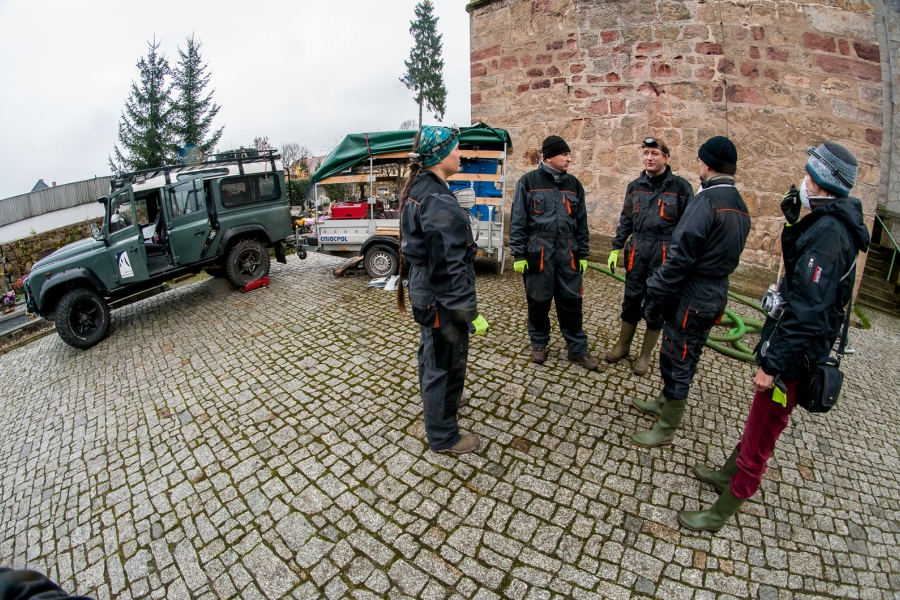
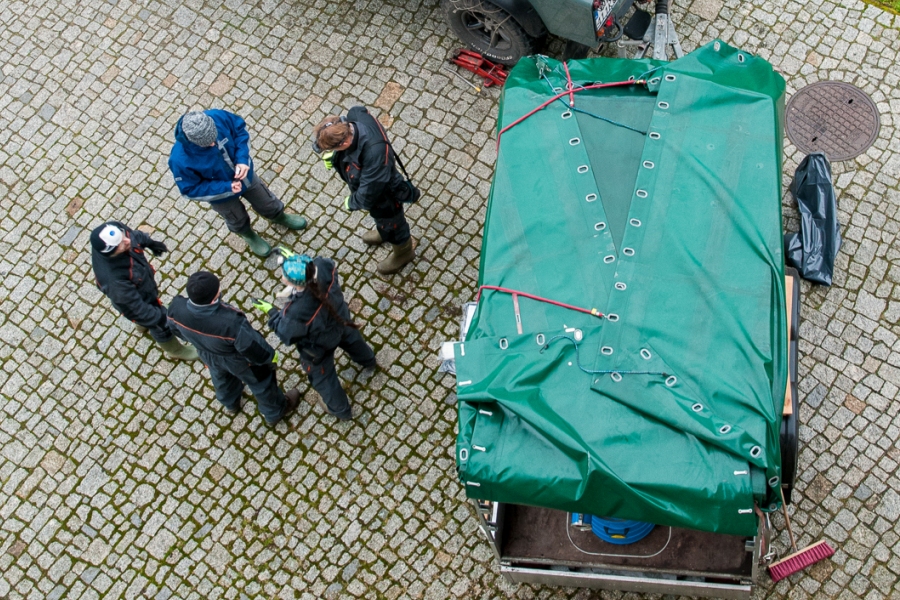
As for bats late autumn marks the onset of hibernation in their winter roosts, the time is suitable for removing piles of droppings that accumulated during summer months on special platforms erected in the attic. This activity attracted special interest of the TV crew. We will have the opportunity to see what fun they had when the series is aired in the second half of 2014. Meanwhile, the PTPP “pro Natura” makes preparations for the bat-safe renovation of the church roof in Wleń. It is one of the many conservation measures planned as part of the project “Conservation of the lesser horseshoe and other bat species in Southern Poland. Podkowiec+”, co-financed by the LIFE+ programme and the National Fund for Environmental Protection and Water Management.