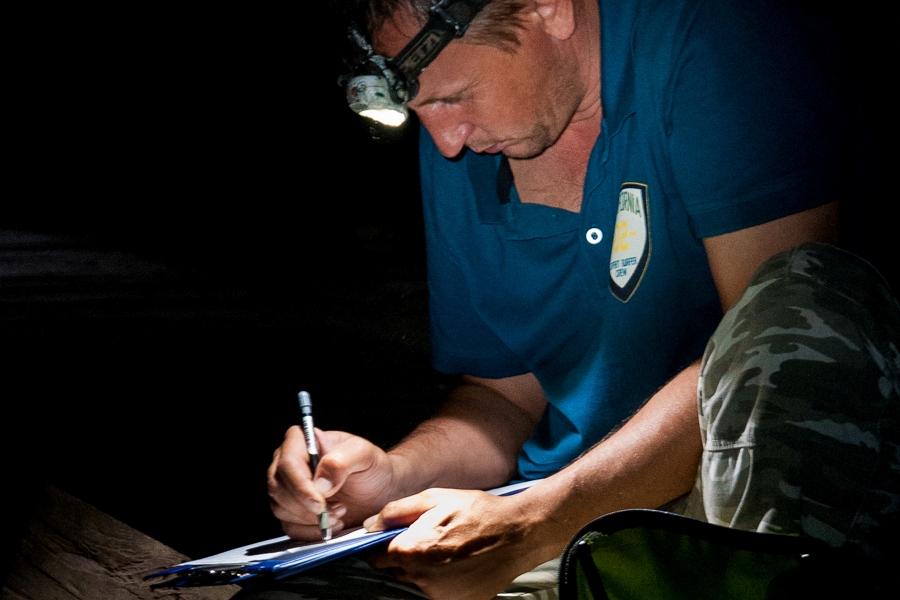
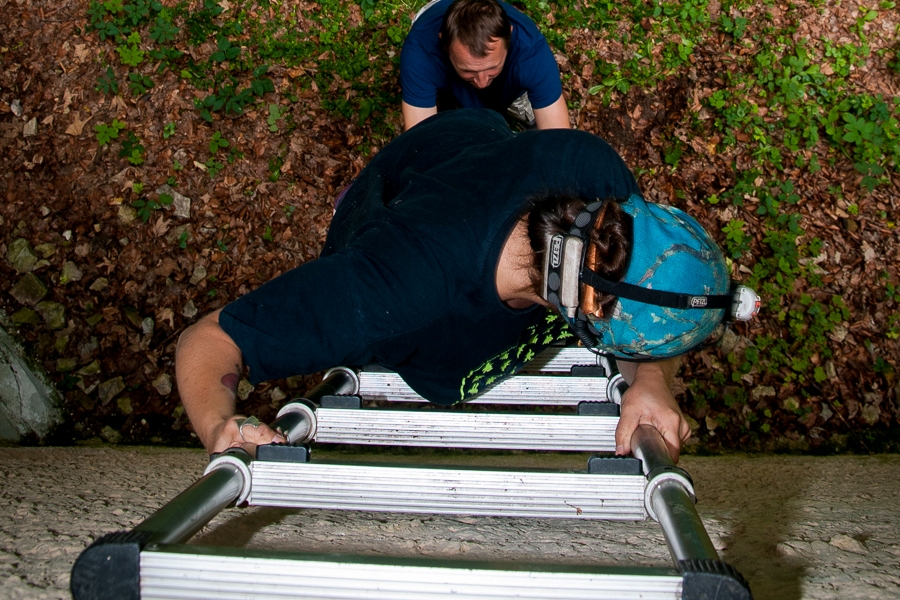
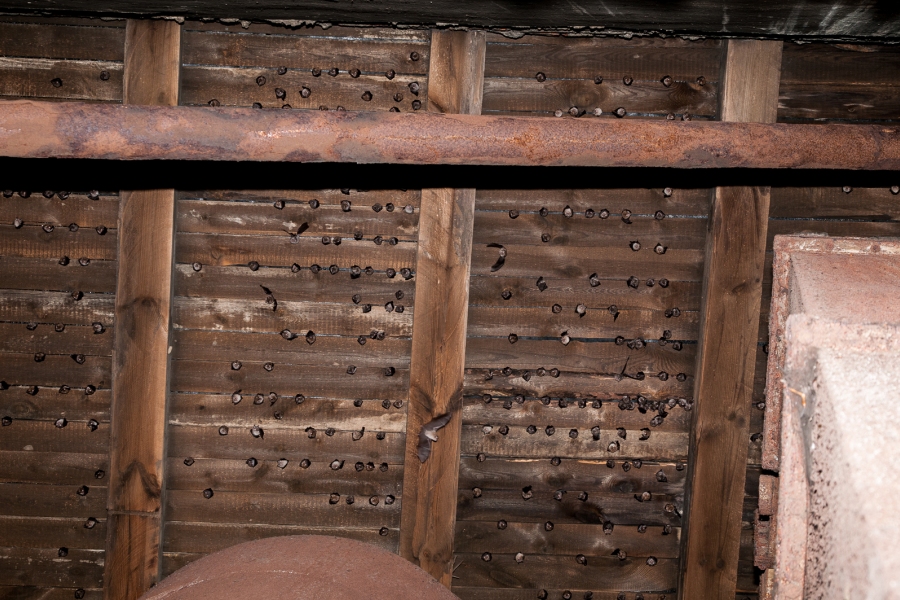
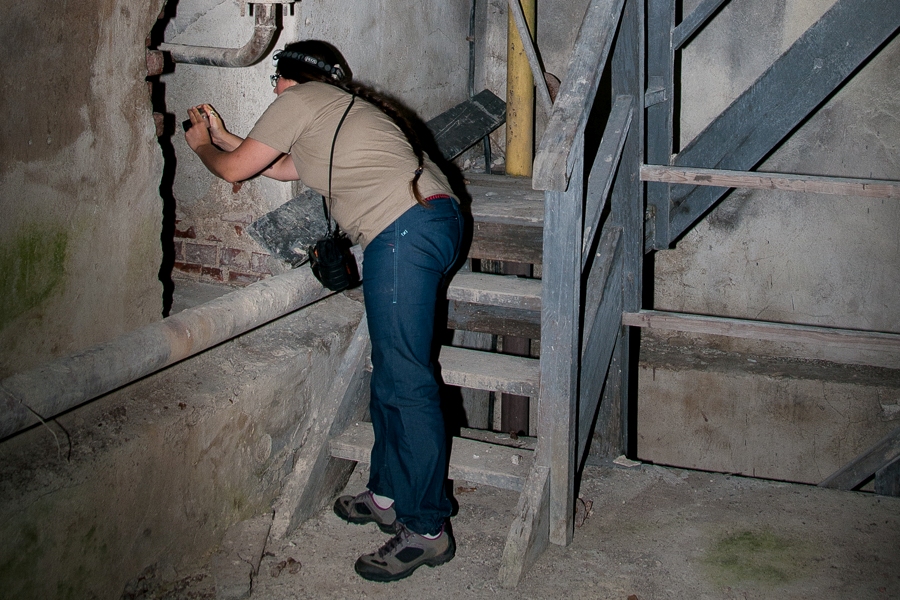
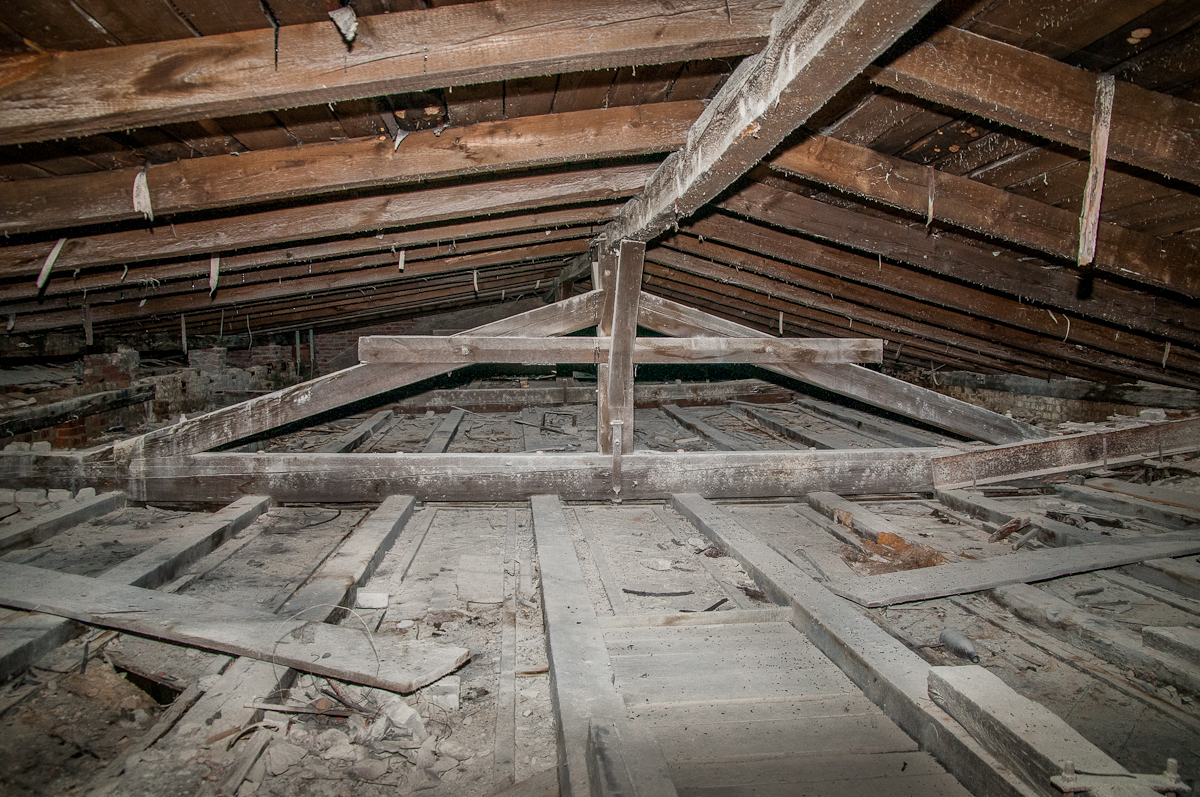
We counted bats inhabiting over 120 structures located in Lower Silesian, Silesian, Opole, Lesser Poland and Subcarpathian voivodeships. The numbers of the lesser horseshoe bat decreased slightly in some of the roosts while increasing in others. The results of the count are not analysed yet but we hope the sum of those differences will turn out to be zero and the overall number of “our” bats is stable.
There is, on the other hand, bad news from the greater mouse-eared bat colonies in the south-eastern Poland. For several years now, the number of individuals has been dropping and some colonies disappeared. However, the situation may not be totally hopeless – in several colonies that seemed close to extinction the number of bats is increasing for the second year now. Once consisting of 200-250 females, these colonies declined for years, partly due to artificial illumination of their roosts. Unfortunately, some other factors that seemed to negatively influencing the bats outside the breeding season remained unidentified. Last year in three roosts we found small groups of mouse-eared bats and this summer they became small colonies between 10 and 50 individuals. We cross our fingers for the brave bat-girls and we certainly hope for more nice surprises next year. In the south-western part of the country the species seems to be doing well with colonies that are either stable or increasing in numbers – and this year one new colony appeared.
In terms of increasing the number of individuals, however, the Geoffroy’s bat is a definite winner. Known colonies keep on growing, and new ones appear in many places.
Visiting the summer roosts allowed us to plan future actions of our project. At many sites large piles of bat droppings need to be removed. The landscape survey shows that in some places individual trees or whole lines will have to be planted. There are also artificial lights that need to be modified to make them more bat-friendly and some of the openings bats use to access their roosts need repair. All this is meticulously recorded during the summer bat count.